
When Should You Get a Mammogram in Oklahoma City? A Simple Guide for Women
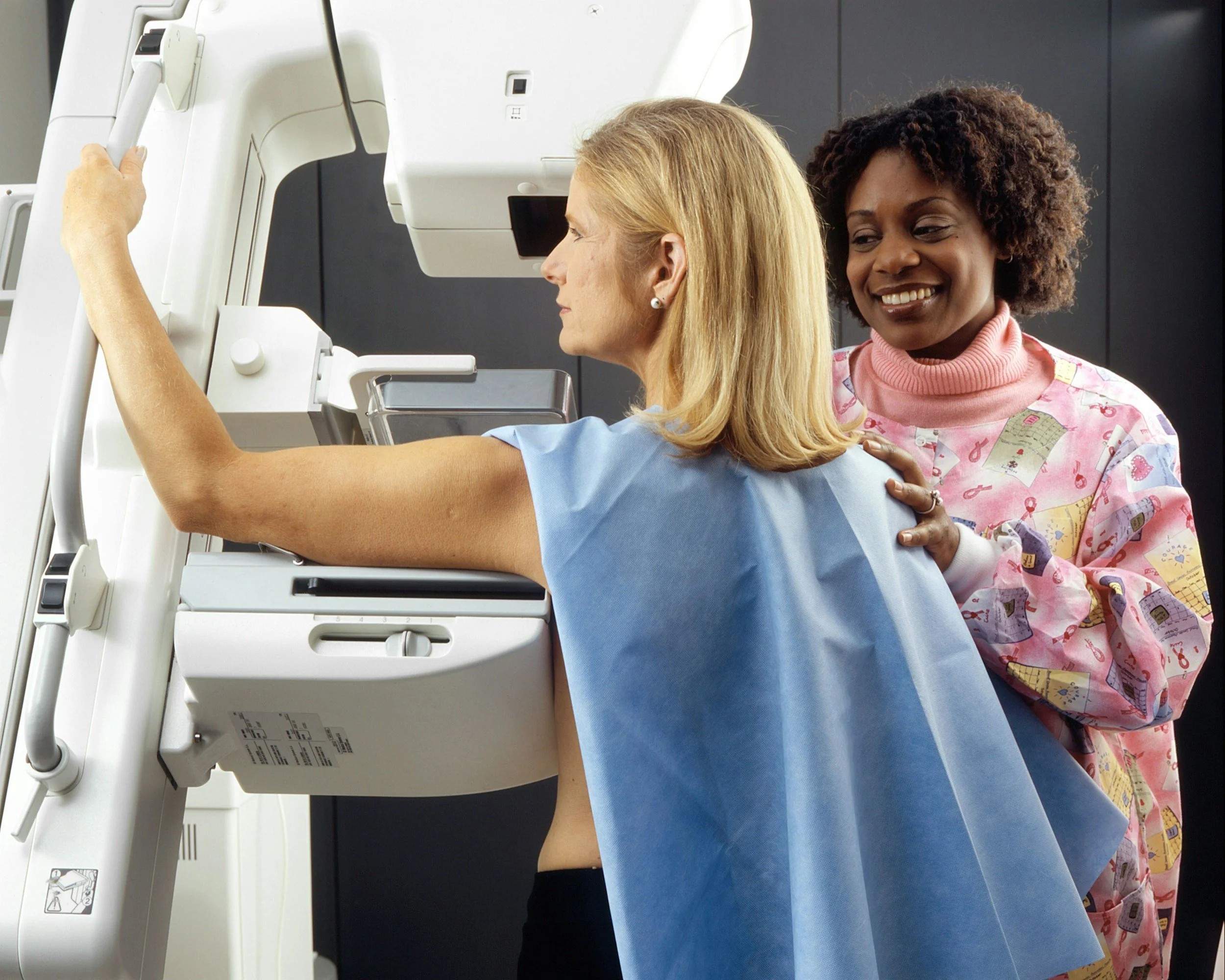
Taking care of your health starts with early detection. If you are wondering when to schedule a mammogram in OKC, you are not alone. Many women are unsure about the right time to begin screenings or how often they should go.
A mammogram is a simple imaging test that checks for signs of breast cancer before symptoms appear. Most women are advised to start getting yearly mammograms at age 40. However, some may need to begin earlier. If you have a family history of breast cancer or other risk factors, your doctor may recommend starting sooner.
Getting a mammogram in OKC is one of the most effective ways to detect breast cancer early. Early detection often leads to better treatment outcomes and more options for care. That is why regular screenings are so important, even if you feel healthy.
At Premier Breast Health Institute, patients receive care that is focused on comfort, accuracy, and support. The team understands that screenings can feel stressful, so they work to create a calm and welcoming environment. Their advanced imaging technology helps ensure clear and reliable results.
Many women delay scheduling their appointment because they are unsure what to expect. The process is quick and typically takes less than 30 minutes. During the exam, images of the breast are taken to look for any changes or abnormalities. While there may be slight pressure during the test, it is brief and manageable.
Another benefit of choosing Premier Breast Health Institute is their patient-first approach. From scheduling to results, the process is designed to be simple and efficient. Their team is available to answer questions and guide patients every step of the way.
It is also important to stay consistent with your screenings. Getting a mammogram in OKC every year allows doctors to track changes over time. This makes it easier to spot anything unusual early.
If you have been putting off your screening, now is a great time to take action. Your health matters, and early detection can make a life-changing difference.
Disclaimer: This blog is for informational purposes only and should not replace medical advice. Please consult with a healthcare professional for personalized guidance.